The History and Evolution of ******* Practices Around the World
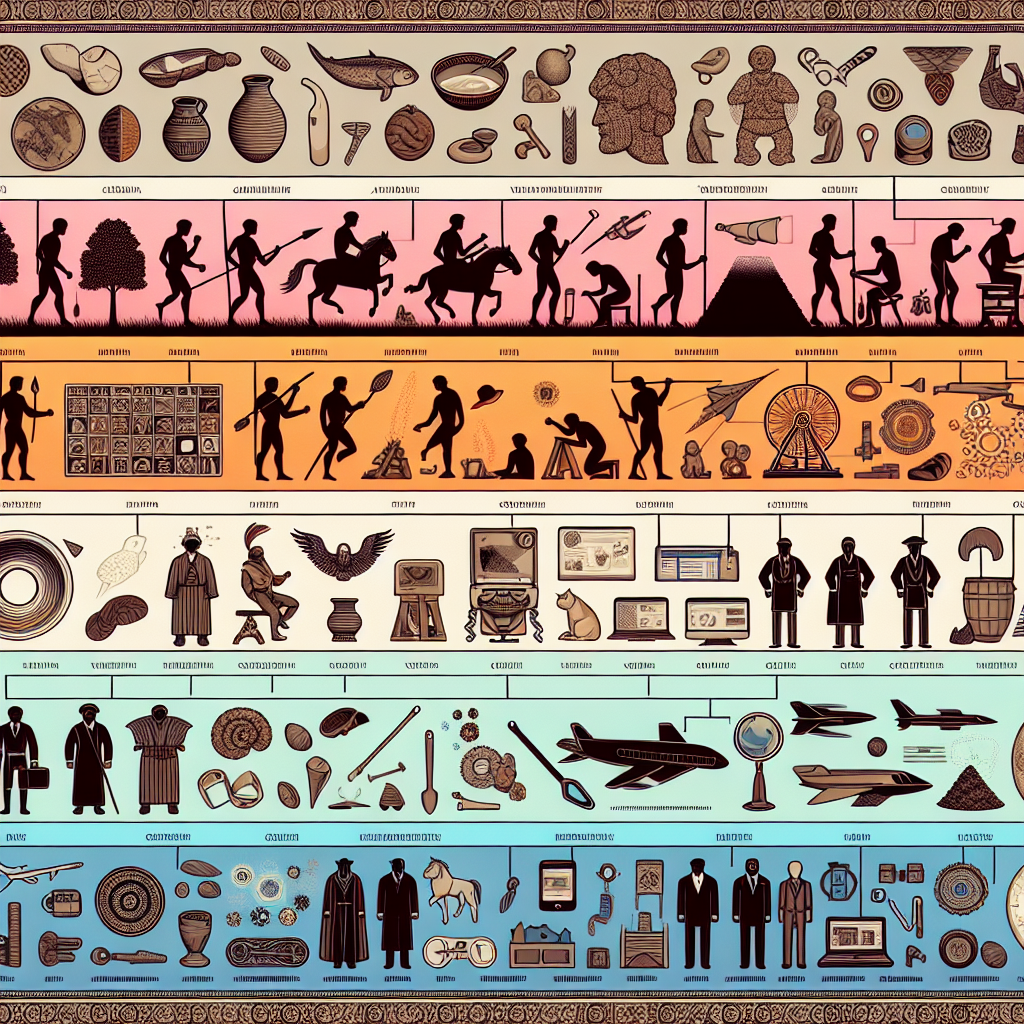
For centuries, ******* practices have played a significant role in cultures and societies worldwide. From ancient rituals to modern-day ceremonies, ******* practices have evolved and adapted over time, reflecting the beliefs, values, and traditions of different communities.
The history of ******* practices can be traced back to ancient civilizations such as the Egyptians, Greeks, and Romans, who all had their own unique traditions and customs surrounding *******. In Egypt, for example, ******* was seen as a sacred act that symbolized fertility and the cycle of life and death. The Greeks and Romans, on the other hand, viewed ******* as a way to honor the gods and goddesses and ensure prosperity and good fortune.
As civilizations spread and interacted with one another, ******* practices began to evolve and merge, leading to the development of new rituals and traditions. The spread of Christianity, for example, brought about changes in ******* practices in many parts of the world, with some communities adopting new customs and beliefs while others held onto their traditional practices.
In Asia, ******* practices have also played a significant role in shaping cultures and societies. In countries like India and China, ******* is seen as a sacred act that is deeply rooted in spiritual and religious beliefs. In India, for example, ******* is considered a sacred duty and is often accompanied by elaborate ceremonies and rituals. In China, ******* practices are closely tied to the concept of yin and yang and the balance of energies within the body.
In Africa, ******* practices vary widely from region to region, with each community having its own unique customs and traditions. In many African cultures, ******* is seen as a way to connect with ancestors and the spiritual world, with ceremonies often involving music, dance, and elaborate costumes.
Today, ******* practices continue to evolve and adapt to the changing world around them. With advancements in technology and communication, people from different cultures and backgrounds are able to share and exchange ideas and traditions, leading to the development of new and innovative ******* practices.
As we look to the future, it is important to recognize the importance of ******* practices in preserving cultural heritage and promoting diversity and inclusion. By embracing and celebrating the rich history and evolution of ******* practices around the world, we can gain a deeper understanding of the beliefs, values, and traditions that shape our world today.