The Environmental Impact of ******* and How You Can Make a Difference
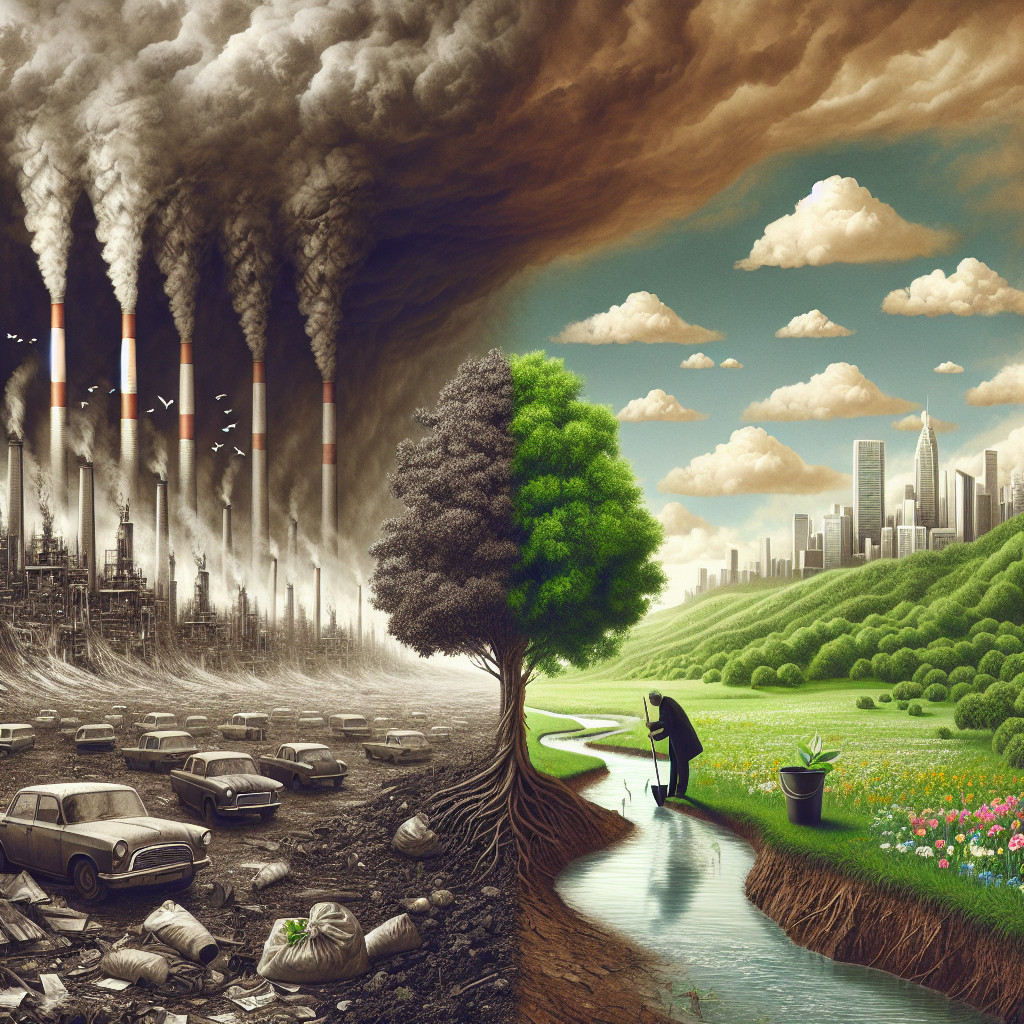
******* have become a ubiquitous part of modern life, from plastic bags and bottles to packaging materials and disposable utensils. While these products are convenient and affordable, their environmental impact is significant and concerning. The production, use, and disposal of ******* contribute to pollution, habitat destruction, and climate change. However, there are steps that individuals can take to minimize their impact and make a positive difference for the planet.
One of the biggest environmental issues associated with ******* is plastic pollution. Plastic takes hundreds of years to decompose, and much of it ends up in our oceans, where it poses a threat to marine life. Sea turtles, birds, and other animals can become entangled in plastic debris or mistake it for food, leading to injury or death. Microplastics, tiny pieces of plastic that are often too small to see with the naked eye, are also a concern. These particles can be ingested by marine organisms and make their way up the food chain, potentially harming human health as well.
The production of ******* also has a significant carbon footprint. Many plastics are made from fossil fuels, a non-renewable resource that contributes to greenhouse gas emissions when extracted and processed. Additionally, the transportation of ******* from factories to stores and ultimately to landfills or recycling facilities further adds to their environmental impact. In landfills, plastics can release harmful chemicals as they break down, contaminating soil and water.
So, what can individuals do to reduce the environmental impact of *******? One simple step is to reduce the amount of single-use plastic products you use in your daily life. For example, bring a reusable water bottle and shopping bag with you, and opt for products with minimal or compostable packaging. When possible, choose products made from sustainable materials such as glass, metal, or bamboo. By making these small changes, you can help reduce the demand for plastic and lessen its impact on the environment.
Another way to make a difference is to support legislation and initiatives that aim to reduce plastic pollution and promote sustainable practices. Contact your local representatives to advocate for policies that ban single-use plastics or promote recycling and composting programs. Get involved in community clean-up efforts to help remove plastic waste from natural areas and waterways. By taking action at the local level, you can contribute to a cleaner, healthier environment for future generations.
In conclusion, the environmental impact of ******* is a pressing issue that requires collective action to address. By making conscious choices in our daily lives and advocating for sustainable practices, we can help mitigate the harm caused by plastic pollution and reduce our carbon footprint. Together, we can make a difference for the planet and create a more sustainable future for all.